
CATL and CHANGAN Launch World’s First Mass-Production Sodium-Ion Passenger Vehicle
Yakeshi, Inner Mongolia | 5 February 2026 – CHANGAN Automobile, in partnership with CATL, today unveiled the world's first mass-production passenger vehicle equipped with sodium-ion batteries at the "CHANGAN SDA Intelligence Milestone Release & Sodium-Ion Battery Global Strategy Launch" event. The vehicle is set to reach the market by mid-2026.
As CHANGAN's exclusive sodium-ion battery strategic partner, CATL will supply its advanced Naxtra sodium-ion batteries across CHANGAN's full brand portfolio, including AVATR, Deepal, Qiyuan, and UNI. The launch represents a major step in the industry's transition toward a dual-chemistry ecosystem, where sodium-ion and lithium-ion batteries complement each other to meet diverse customer needs.
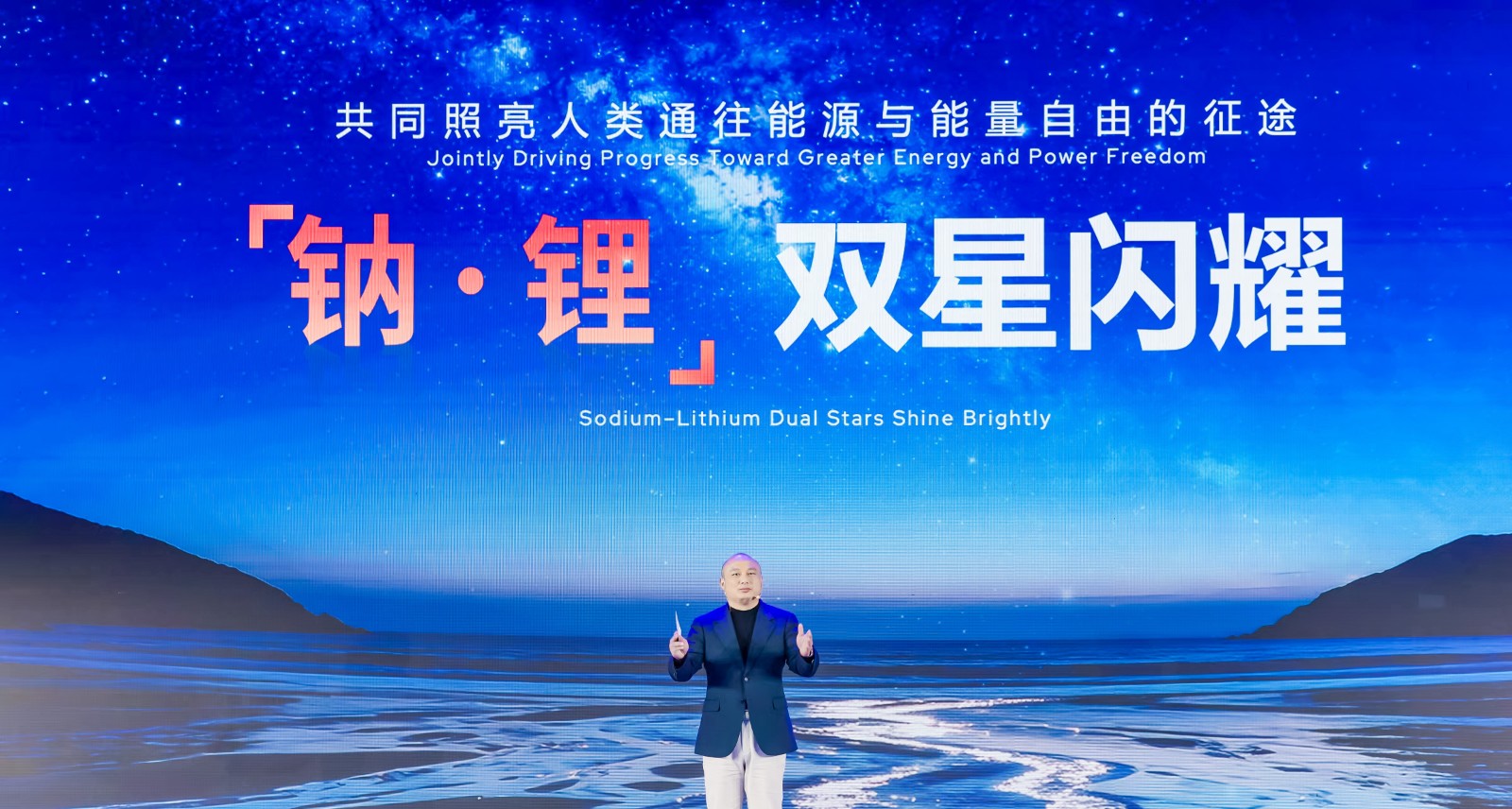
"The arrival of sodium-ion technology marks the beginning of a dual-chemistry era. CHANGAN's vision shows both its responsibility for energy security and its strategic foresight. Much as it embraced electric vehicles years ago, CHANGAN is once again taking the lead with its sodium-ion roadmap. At CATL, we value the opportunity to work alongside such an industry leader and fully support its strategy, combining our expertise to bring safe, reliable, and high-performance sodium-ion technology to market." said Gao Huan, CTO of CATL's China E-car Business.
Unmatched cold-weather performance and safety
CATL's Naxtra sodium-ion battery achieves an energy density of up to 175 Wh/kg, setting the current benchmark for mass production. Its advanced Cell-to-Pack system and intelligent BMS enable a pure-electric range exceeding 400 km. As the sodium-ion supply chain advances, ranges are projected to reach 500–600 km for pure-electric variants and 300–400 km for range-extended/hybrid configurations— covering over 50% of the range requirements in the new energy vehicle market.
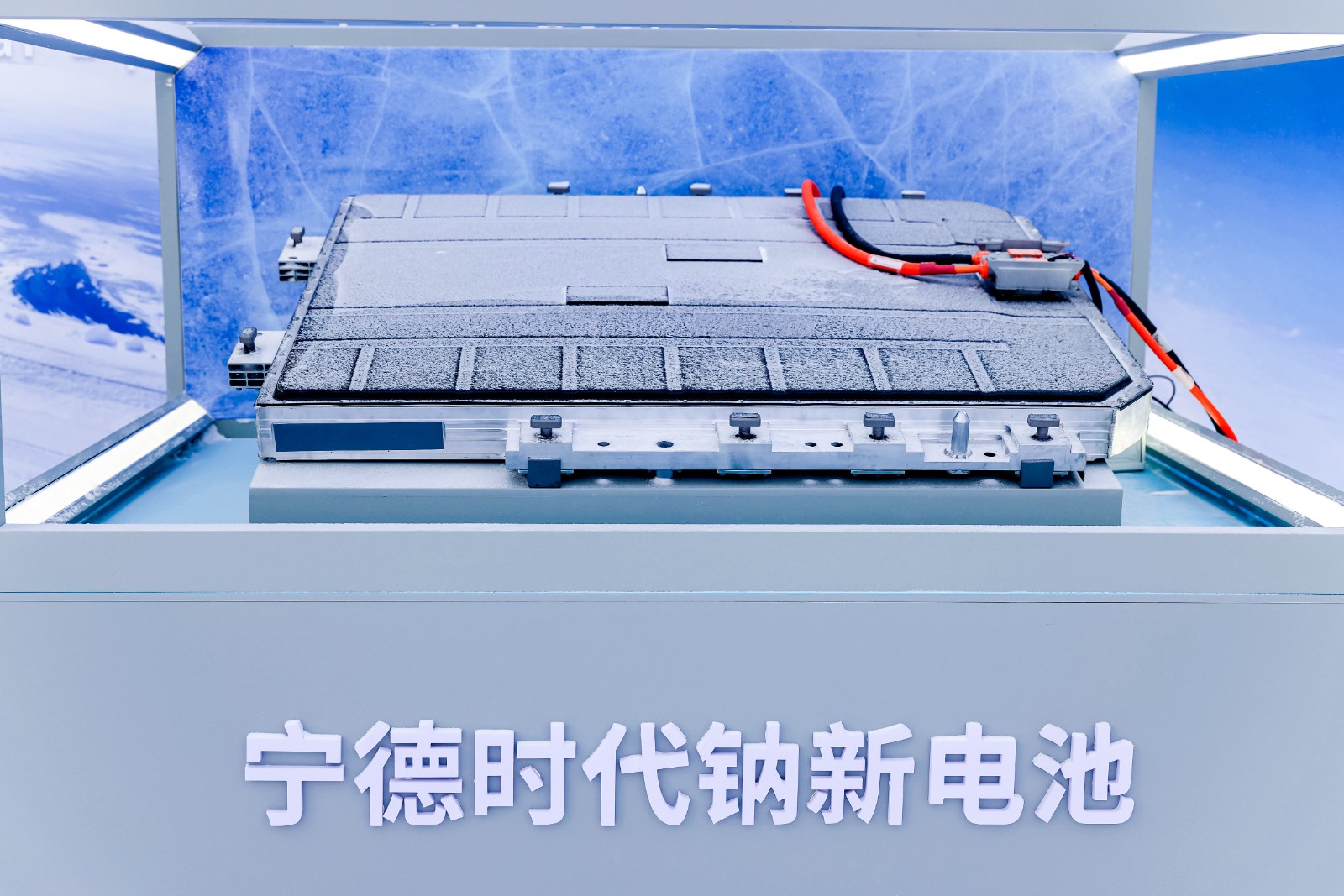
It operates reliably even under extreme cold, delivering nearly triple the discharge power of equivalent LFP batteries at –30 °C, while maintaining over 90% capacity retention at –40 °C and stable power delivery at temperatures as low as –50 °C. Tested under tough conditions such as crushing, drilling, and sawing, the battery stays smoke and fire free and continues to provide power, setting a new standard for safety and reliability.
A strategic step for global electrification
Sodium-ion batteries offer abundant raw materials, faster cold-weather performance, and environmentally friendly production and recycling, helping diversify supply chains and reduce carbon impact.
According to Precedence Research, the global sodium-ion battery market is expected to grow from USD 1.39 billion in 2025 to USD 6.83 billion by 2034. 2026 is set to be an important year for bringing the technology to more vehicles and wider markets. Supporting this ecosystem expansion, CATL's sodium-ion battery is designed for deep adaptation across multiple vehicle brands, balancing flexible integration with performance enhancements. Concurrently, by 2026, CATL plans to open more than 3,000 Choco-Swap battery swap stations across 140 cities in China, with over 600 in colder northern regions, giving drivers fast and reliable access to energy nationwide.
A decade of R&D delivers a breakthrough
CATL began sodium-ion research in 2016, investing nearly 10 billion RMB to develop nearly 300,000 test cells. With over 300 R&D personnel, including 20 PhDs, CATL has built a foundation for safe, high-performance, and scalable sodium-ion batteries.
By combining technical innovation with industrial scale, CATL and CHANGAN are moving sodium-ion batteries from laboratory breakthroughs to mass-market adoption, establishing them as a viable mainstream solution for electric mobility.
By clicking on the button “I accept” or by further usage of this website you express consent with usage of cookies as well as you grant us the permission to collect and process personal data about your activity on this website. Such information are used to determine personalised content and display of the relevant advertisement on social networks and other websites. More information about personal data processing can be found on this link. Read More